Stucco Contractor in Hurricane, UT: Repair, Installation and Resurfacing | Washington Elite Stucco

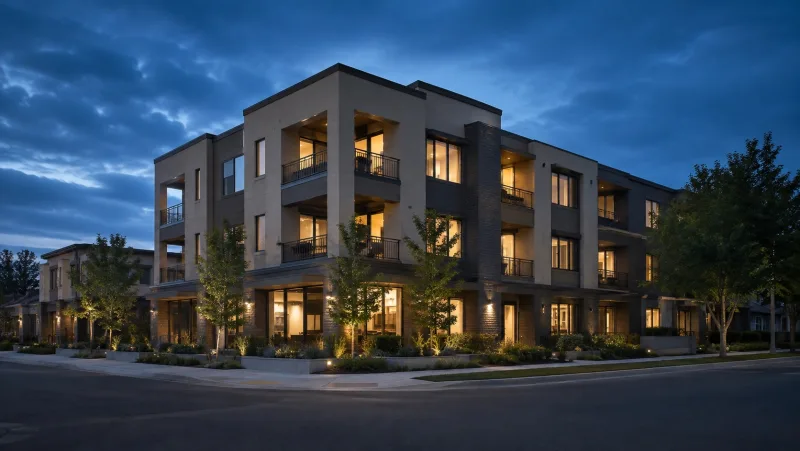
Washington Elite Stucco is a stucco contractor with 15 years of work behind us in Hurricane, Utah, and we provide stucco services for commercial buildings, new construction, and existing homes that need careful exterior or interior finish work.

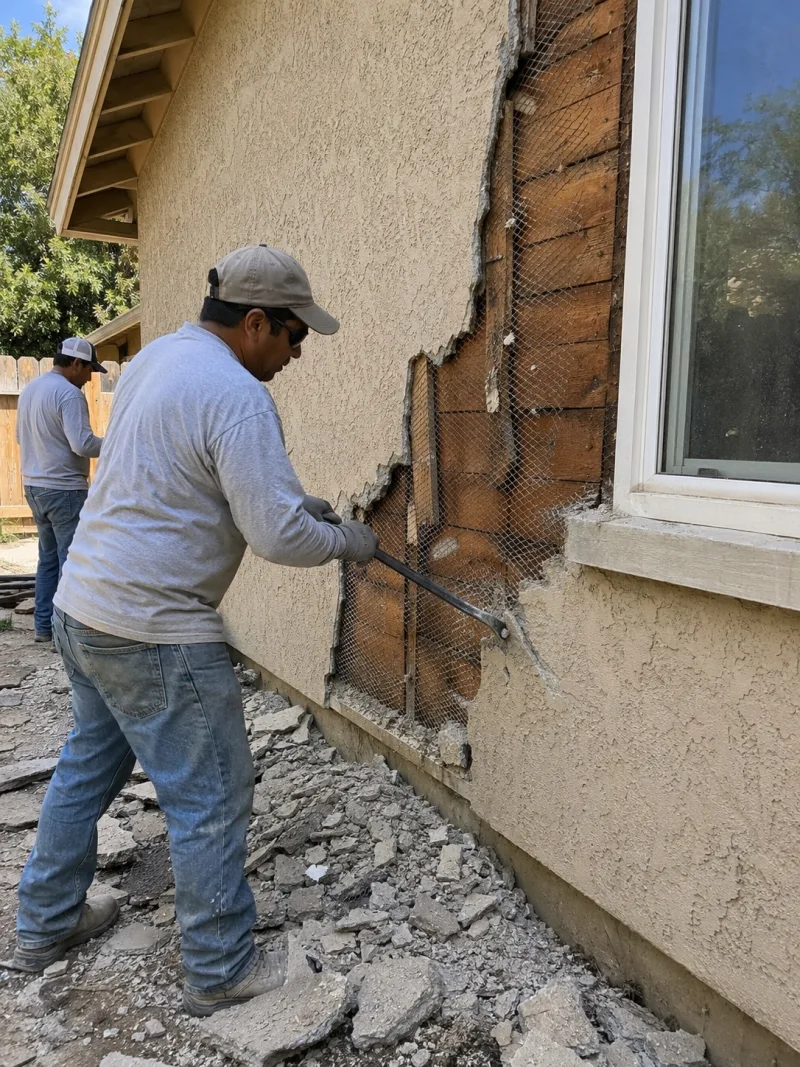
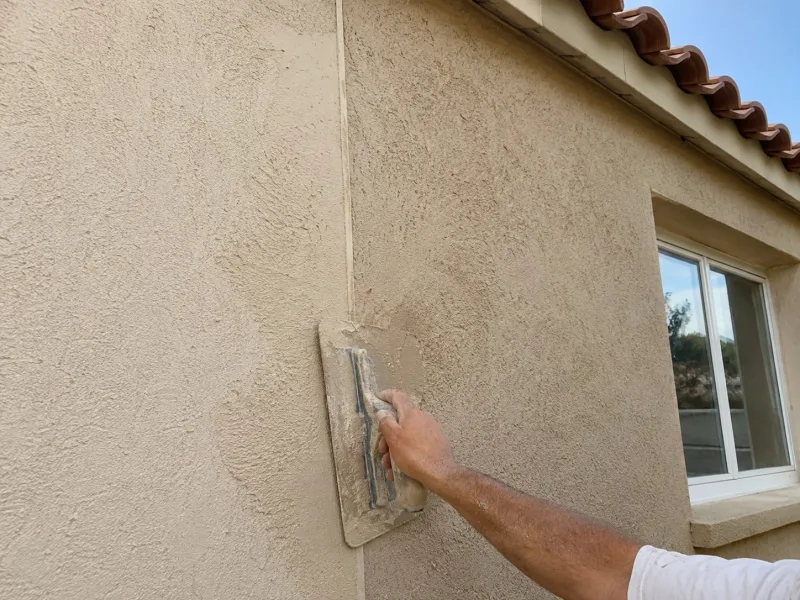
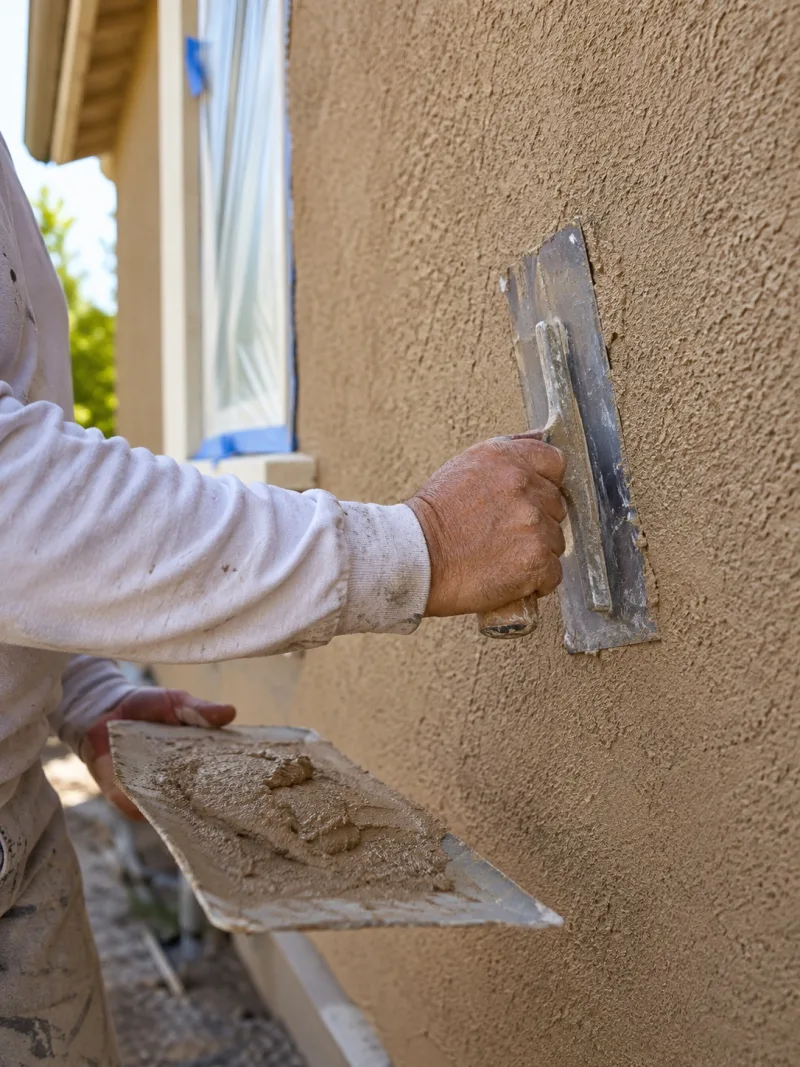
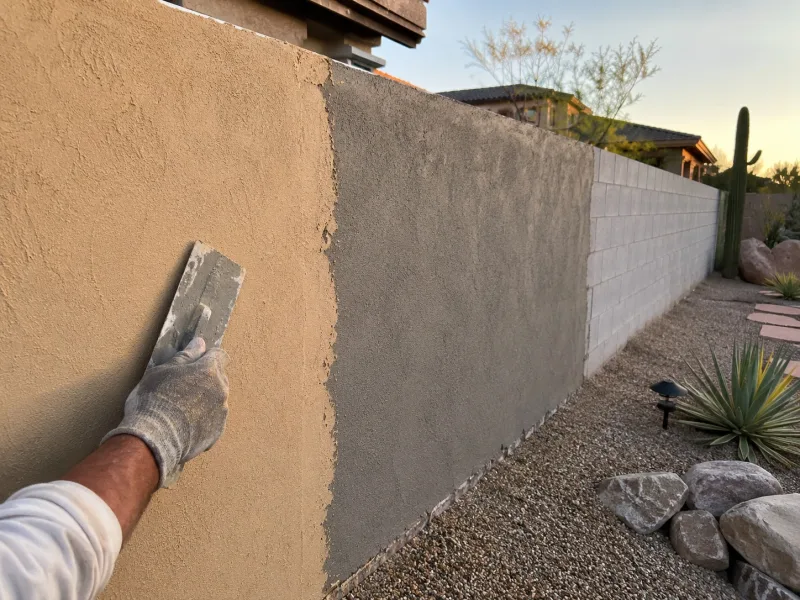
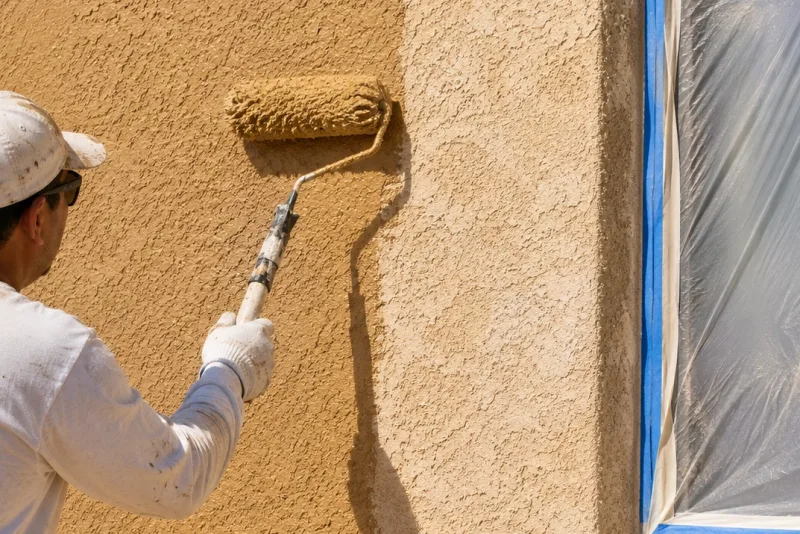
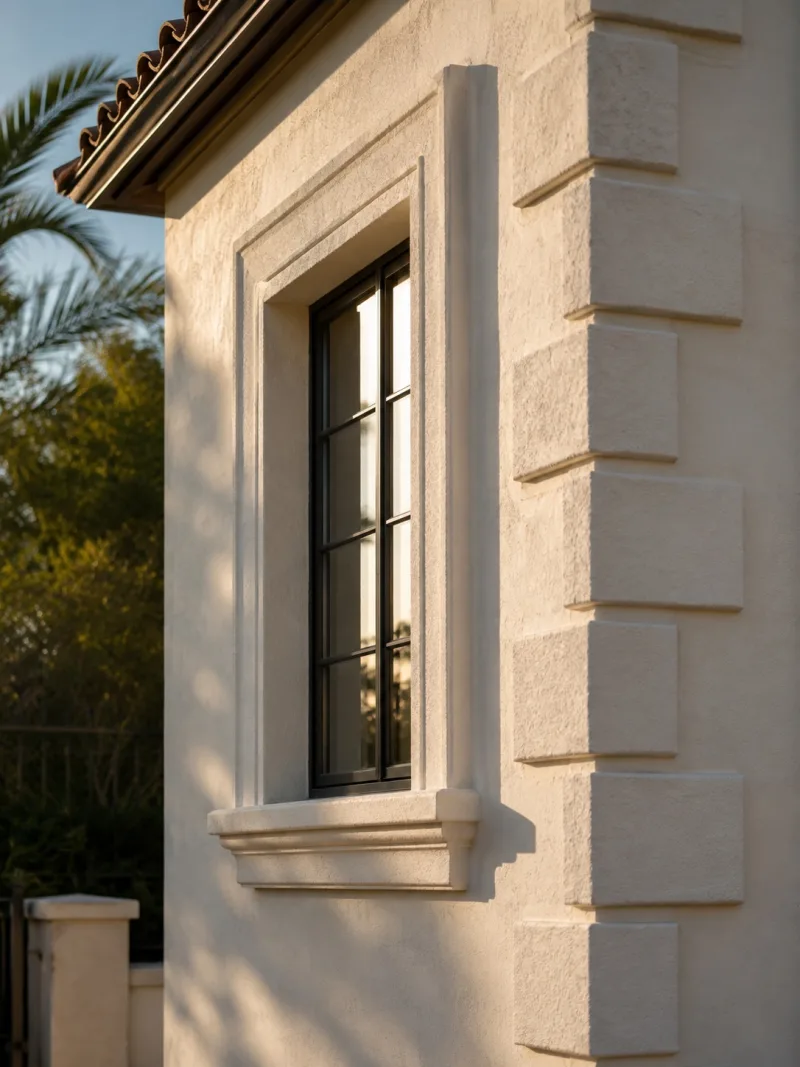
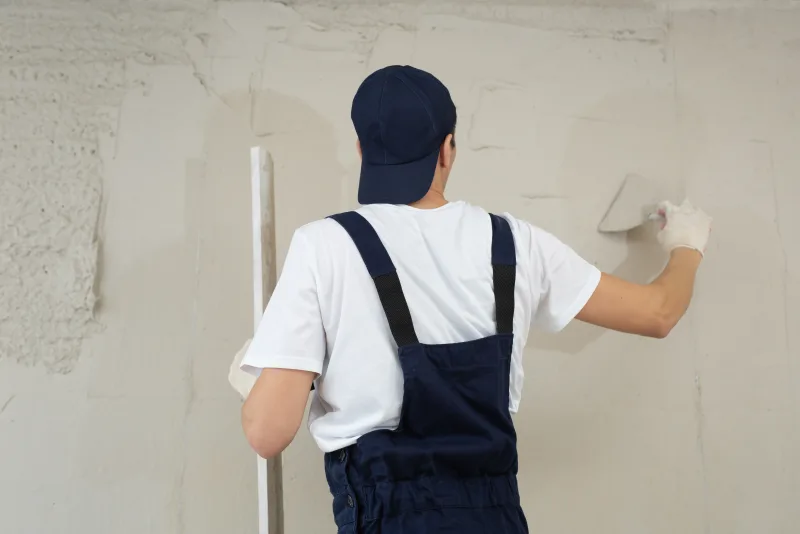
We work on large commercial buildings and new construction, where we build new walls and install the first stucco finish. When an existing wall has failed, we patch damaged areas, remove and replace old stucco, or complete remediation where the problem extends beneath the finish. For walls that are sound but worn, we resurface or recoat them and apply paint or coatings; we also tie additions into older walls, stucco block walls, shape decorative detail, and do interior plaster where you want a hard, finished surface indoors.

Three-coat cement plaster means three layers of cement-based plaster placed over metal lath, the rigid mesh fastened to the wall so the plaster has something to grip; IRC R703.7.2 is the residential code section that asks for those three coats over lath on this kind of wall. An acrylic finish is the flexible colored outer coat many owners picture as the final texture, while a cement finish is a mineral coat made from cement and sand.

Hurricane has grown across land once watered for orchards, and new houses now occupy much of that ground, so many of our projects begin before a wall receives its first finish. After 1,000+ projects, we still begin by looking at what you have, what you need built or repaired, and how the finish should handle the wall beneath it.

Our stucco company works in Hurricane and across Washington County. Call (435) 319-6039 or use the quote form for a free estimate.

Get A Free Estimate

Why Hurricane Property Owners Call Washington Elite Stucco

Washington Elite Stucco is based in Washington, so Hurricane is a short run east on I-15 and SR-9. A stucco job often requires several short return visits days apart, and our nearby crew returns for each coat when the material is ready.

Washington Elite Stucco is a licensed and insured local stucco contractor carrying general liability and workers compensation for crews on the property, with 15 years of experience.

  • We have completed 1,000+ projects, so we have worked on new walls and older walls in the same county.
  • We keep one crew on your house from start to finish.
  • We recoat a worn finish on a sound wall, so the existing wall stays in place.

A small repair still needs someone to diagnose the wall, match the repair to the damage, and return when the material is ready for the next step. Hurricane has new construction and older houses in quantity, so the right answer can be a new wall, a recoat, or a repair that leaves the sound wall in place.

Call (435) 319-6039 or use the quote form to schedule a free estimate. We also work in Apple Valley, twelve miles out on SR-59.

Stucco Contractor Services Across Hurricane, Utah

Washington Elite Stucco handles the stucco services Hurricane buildings need at different points in their lives. You may need us before a wall has a finish, after a finish has faded, or after water or cracking has damaged the wall.

Why a Stucco Contractor Starts Earlier on Hurricane's New Streets

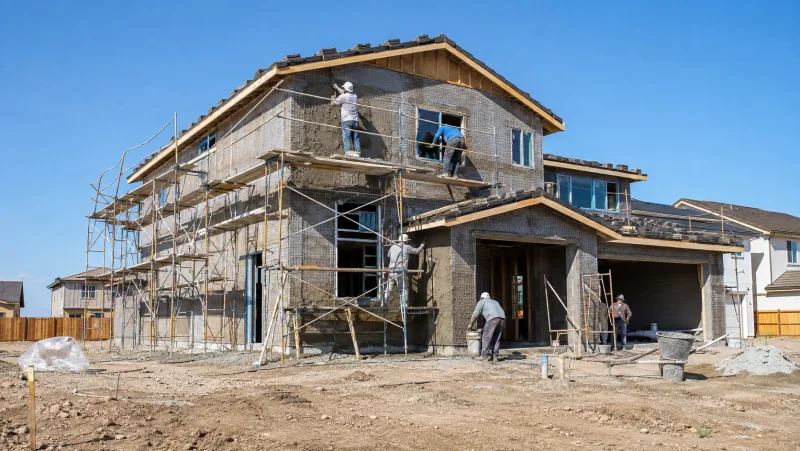
A local stucco company often enters a Hurricane job before the finished wall exists. When you are building rather than repairing, we coordinate with your builder while the exterior is still being closed in, so we can plan the wall before plaster covers the layers underneath.

Where Hurricane Is Building Now

The Hurricane Canal brought water to the valley in 1904 after crews had worked on it since 1893, including expensive sections that were still unfinished in 1902. The canal watered 2,000 acres for 80 years, made the town possible, and has been empty since 1985.

That farm pattern is visible now in the way new streets appear beside older parts of town. Former fields, peach and pecan orchards, pistachio plantings, and a large orchard once run for the church have given way, piece by piece, to houses. For an owner, that means a first stucco coat may be part of the building plan rather than a repair years later.

Starting When the Building Is Closed In

Dry-in is the point when the building is closed to the weather. On a new house, the stucco phase starts there rather than after every other trade is finished, and a typical new-build wall runs about two to three weeks from dry-in.

We work to the builder's sequence because the wall layers have to be checked while they can still be seen. The water-resistive barrier, the sheet that helps keep rain from reaching the wall behind the stucco, and the self-furring lath, the mesh that holds itself slightly off the wall so plaster can wrap around it, are inspected before the scratch coat, brown coat, and finish coat hide them.

About Hurricane, Utah

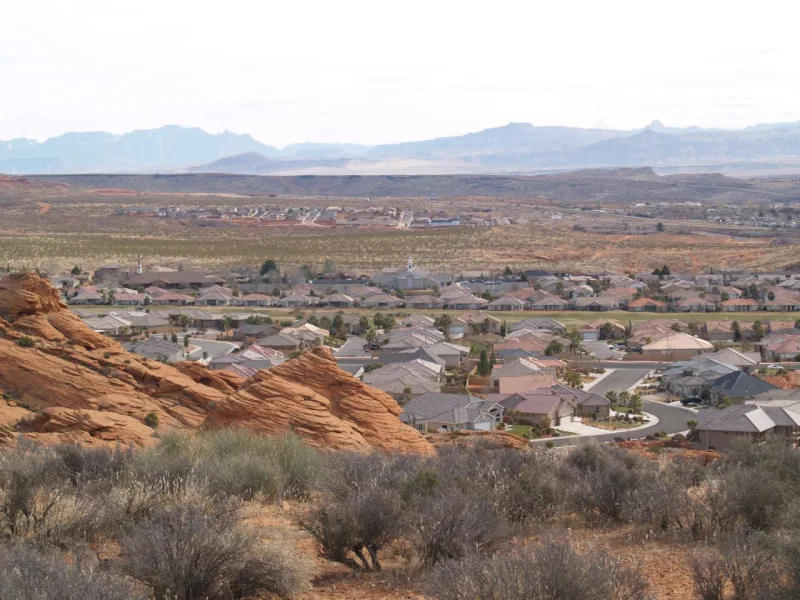
Hurricane was laid out in 1896 as part of the Cotton Mission and settled after the canal brought water in 1904, and the city had 20,036 people at the 2020 census. The town sits at 3,258 feet, with the Virgin River forming nearly all of its north border and SR-9 running as the main spine through town.

Heritage Park, Pioneer Park, and the Hurricane Valley Heritage Park Museum keep the older town visible, while Sand Hollow State Park and Quail Creek State Park put two major recreation areas inside the same city limits. Confluence Park sits on the boundary Hurricane shares with La Verkin, so homes sit near older civic blocks, reservoir-area streets, and routes that connect one town to the next.

When you call about a wall in Hurricane, the address tells us more than where to park. It tells us whether we are likely looking at an older house, a newer subdivision wall, a resort-area finish, or a property near the routes that carry work crews across town.

Red rock country in Washington County, Utah

Where We Work Around Hurricane

Washington Elite Stucco works across Hurricane, and the kind of stucco work changes with the part of town we are visiting. The address helps us prepare for the kind of wall problem we are most likely to find before we arrive.

South Fields and Bench Lake: New Walls and Repairs on One Street

South Fields and Bench Lake sit south of the old downtown, where new streets can fill in a few lots at a time. One street may hold a finished house beside a bare frame, so we may price first-coat stucco for one owner and repair a finished wall next door. You get one number to call because the same crew can read both stages of the wall on that street.

Dixie Springs: Patching and Crack Work on Family Homes

Dixie Springs has streets where houses were built in groups rather than one at a time over many decades. When a group of houses reaches the same age together, owners can start noticing similar cracks, sealant gaps, or worn patches in the same season. We can look at more than one house on a street during the same visit, which helps you compare what is isolated to your wall and what neighbors are also seeing.

Sand Hollow Resort: Bringing a Sun-Worn Finish Back

Sand Hollow Resort has houses on more open streets out by the park area, with little shelter between many walls and the sun. An exposed elevation, or one full face of the house, can lose color faster than the shaded side while the wall behind the finish remains sound. We judge each face of the house on its own, so you do not pay to remove a wall that only needs the surface brought back.

The Hurricane Historic District: Adding On to an Older House

The Hurricane Historic District went on the National Register in 1995, and its houses run from 1906 through about 1940. A pre-1940 house often has an older wall behind the finish, so an addition cannot be priced from the outside alone. We look at what the existing wall is made from, where the new wall will meet it, and how the finish can join without pretending the old and new walls are the same.

Reading a Crack in a Stucco Wall

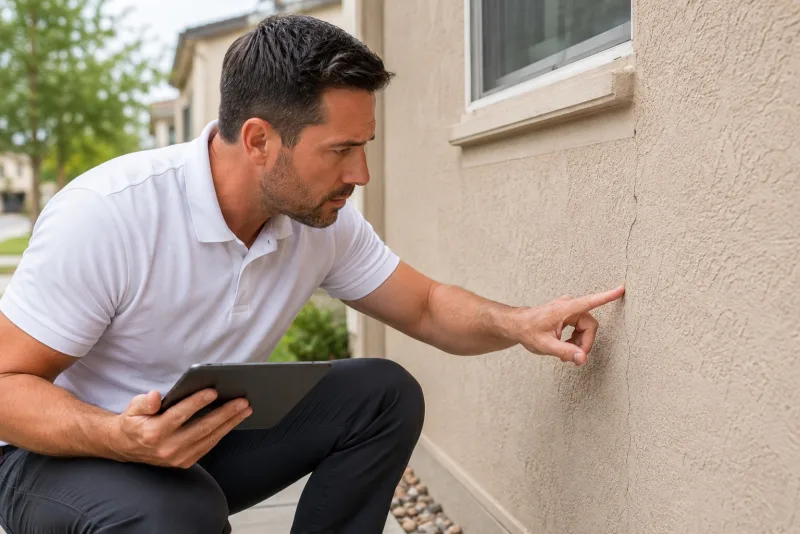
We read a crack in a stucco wall by looking at its pattern, width, and whether it opens again; the plaster can shrink as it cures, while the building behind it can move. Those two facts can leave different marks, so good stucco repair starts by reading the crack before filling it.

Cracks the Plaster Makes, and Cracks the Building Makes

Fine cracking spread across a field of stucco is usually shrinkage cracking, which means the plaster made small lines as it dried and tightened. A hairline crack is one of those fine surface lines, and it behaves differently from a single line that runs away from a window corner, follows a framing line, or opens again after a repair.

You can see the difference from the driveway if you look at pattern and width together. A stucco contractor should inspect a crack wider than about 1/16 inch to determine whether the plaster can be repaired or the wall needs an engineer's review, and a crack that reopens on the same line points to movement rather than shrinkage. When the pattern points at the structure instead of the plaster, a structural engineer answers that question before a stucco crew closes the surface.

What Control Joints Are For

A control joint creates a planned break that allows small changes in the wall without cracking the surrounding plaster. On a wall built over lath, ASTM C1063 sets panel limits at about 144 square feet, with no side longer than 18 feet and with the length no more than two and a half times the width.

Those limits turn a large wall into panels about the size of a small room's wall. When a wall has the right joint layout, normal movement has a place to show up; when a wall is laid out without those joints, it cracks where the layout did not provide a planned break.

Scheduling Around a House You Are Living In

Stucco services take days because plaster has to cure, not because a crew is trying to keep your house busy. A repair may run across several visits, and a whole house can run in weeks, but the crew usually occupies the side of the house where the wall is being worked on rather than every room and every door.

Why the Coats Set the Calendar

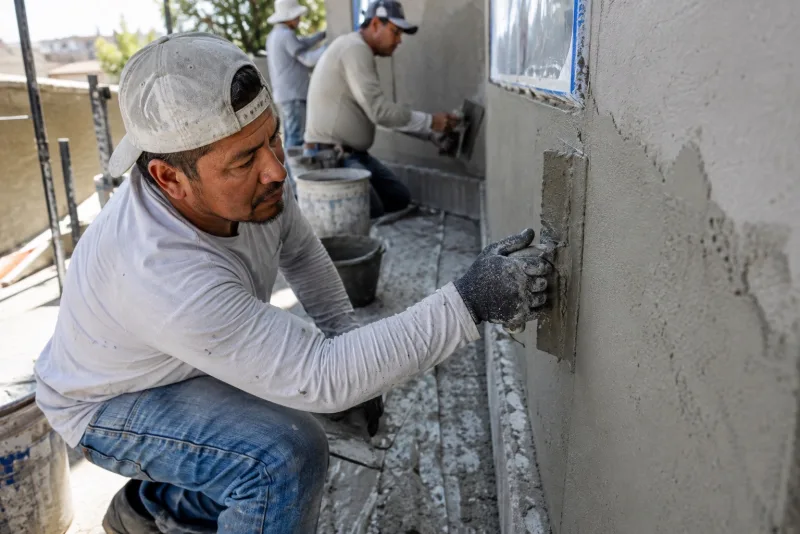
Three-coat stucco over lath uses a scratch coat, a first layer rough enough for the next coat to grip; a brown coat, the thicker layer that straightens the wall; and a finish coat, the colored or textured surface you see. The second coat waits at least 48 hours after the first, and the finish waits a full seven days after the second.

Each coat also needs moist curing, which means we keep the plaster damp long enough for the cement to harden correctly. Each coat is kept damp for at least 48 hours, and hot dry weather makes those waits minimums to stretch rather than targets to hit.

Which Part of the House We Are On, and for How Long

We work on one elevation at a time; while staging is in place, doors on that side stay closed, windows cannot be opened, and the strip of yard beside the wall must remain clear. We need water on site and a clear way to reach the wall, so cars, patio furniture, stored items, and anything leaning against the stucco move before work starts.

After the visit, you get a written scope within 24 to 48 hours. That scope names the system, the coats, the finish, and the color, so you know what we plan to put on the wall before the job begins.

When you are ready to book the first visit, call (435) 319-6039 or use the quote form.

Stucco Questions From Hurricane Owners

These are questions before calling.

Our lot used to be part of an orchard. Does that change how the stucco is done?

No, the wall assembly does not change because of the land's history. Recent farm ground often means the house itself is recent, so the job may start at dry-in with the first coat. We do not assess ground conditions.

How do I tell a crack in the plaster from a crack in the house?

You tell by the crack's shape and by whether the same line comes back. Photograph the crack with a coin or card beside it, date the photo, and take the next photo from the same distance so the angle does not distort it.

Can we live in the house while you stucco it?

Yes, and most customers do. We keep work outside unless the job includes interior plaster, but staging and fresh material affect the working elevation. Windows on that side stay shut on application days, and pets stay away so they do not brush wet plaster.

Which parts of Hurricane do you cover?

We cover all of Hurricane, from old town Hurricane to the reservoirs and nearby towns on the same routes. Small repairs are worth looking at early because a failed patch edge or open joint can let water reach farther, so size alone does not decide whether we visit.

Do you work on the older houses in the Hurricane Historic District?

Yes, we work on older houses in the Hurricane Historic District. A National Register listing is not by itself an approval step for private work. Any approval that applies would come from the city, so ask Hurricane City before an exterior change. We work to the existing house.

If your question is about your own wall, call (435) 319-6039 or use the quote form.

Get a Free Stucco Estimate in Hurricane

A free estimate starts with a visit and a look at the wall. We look at the surface, the edges, the places where water can enter, and the area you want built, repaired, recoated, or replaced.

The scope follows the visit in writing, so you can review the planned work before deciding. Call (435) 319-6039 or use the quote form to get a free estimate from Washington Elite Stucco.