What a Stucco Contractor Watches on Walls Visitors See Every Day
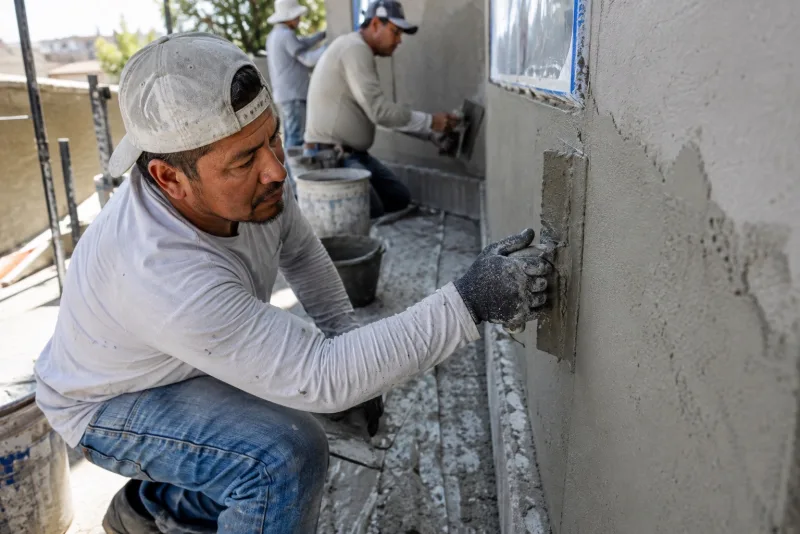
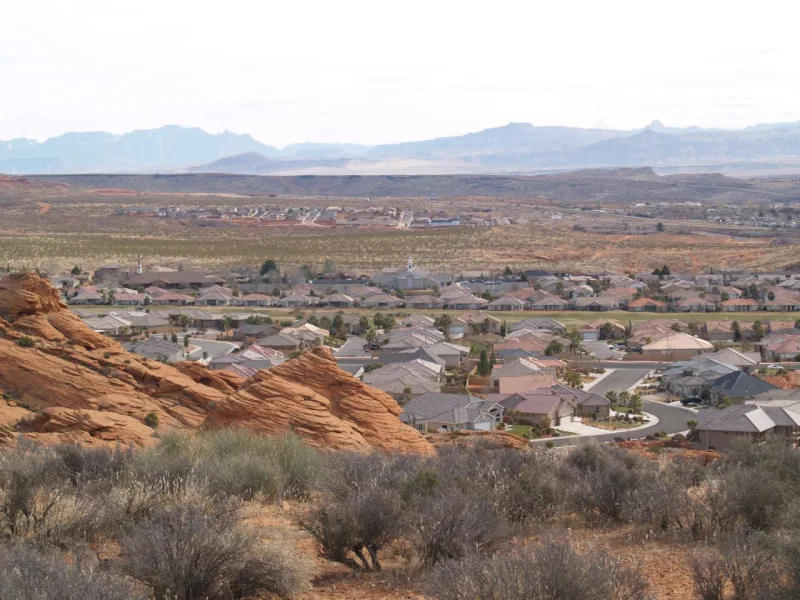
A Springdale wall can face heavy visitor traffic and a short plaster season in the same year. A stucco contractor has to plan the visible finish and the weather window before fresh plaster goes on your wall.
Color and Texture on a Wall That Faces the Boulevard
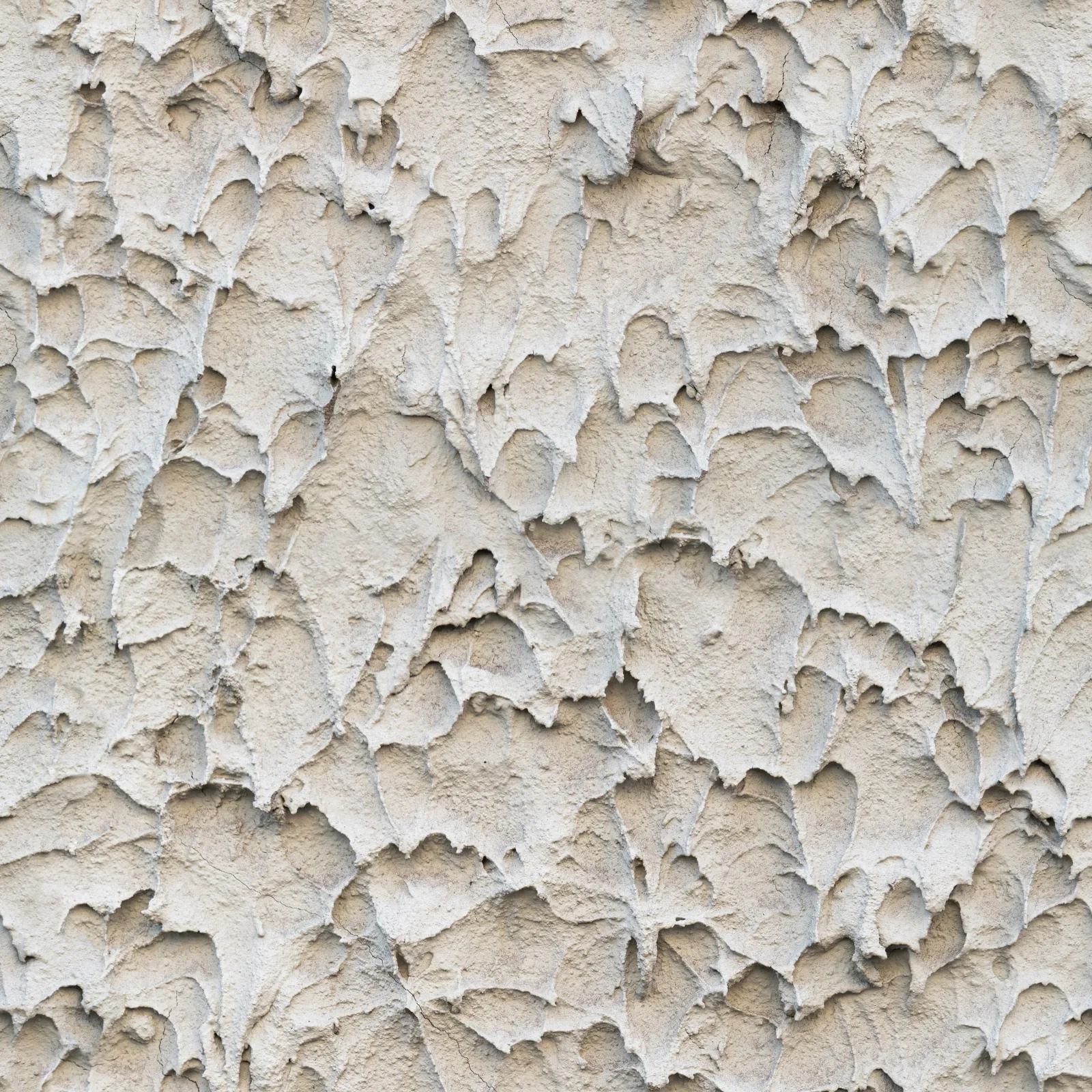
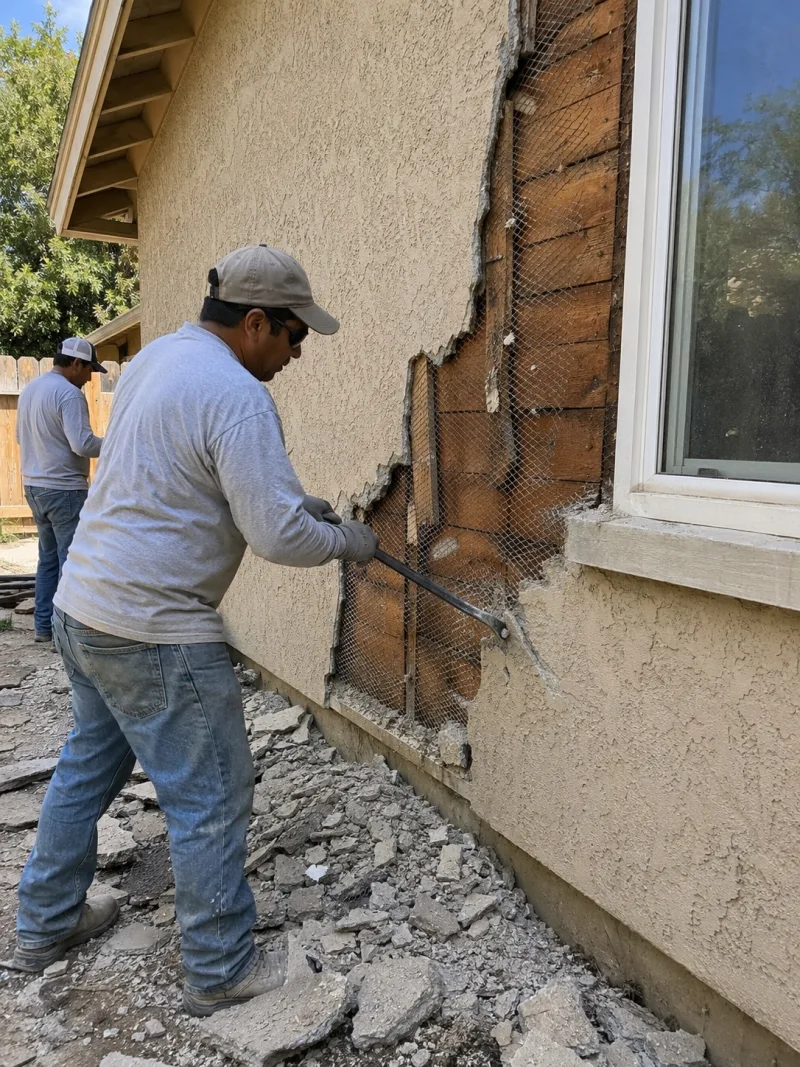
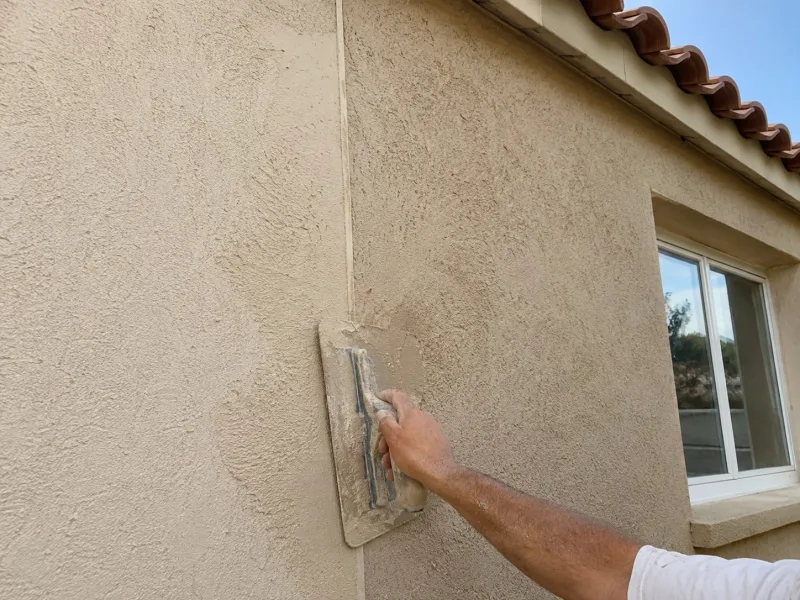
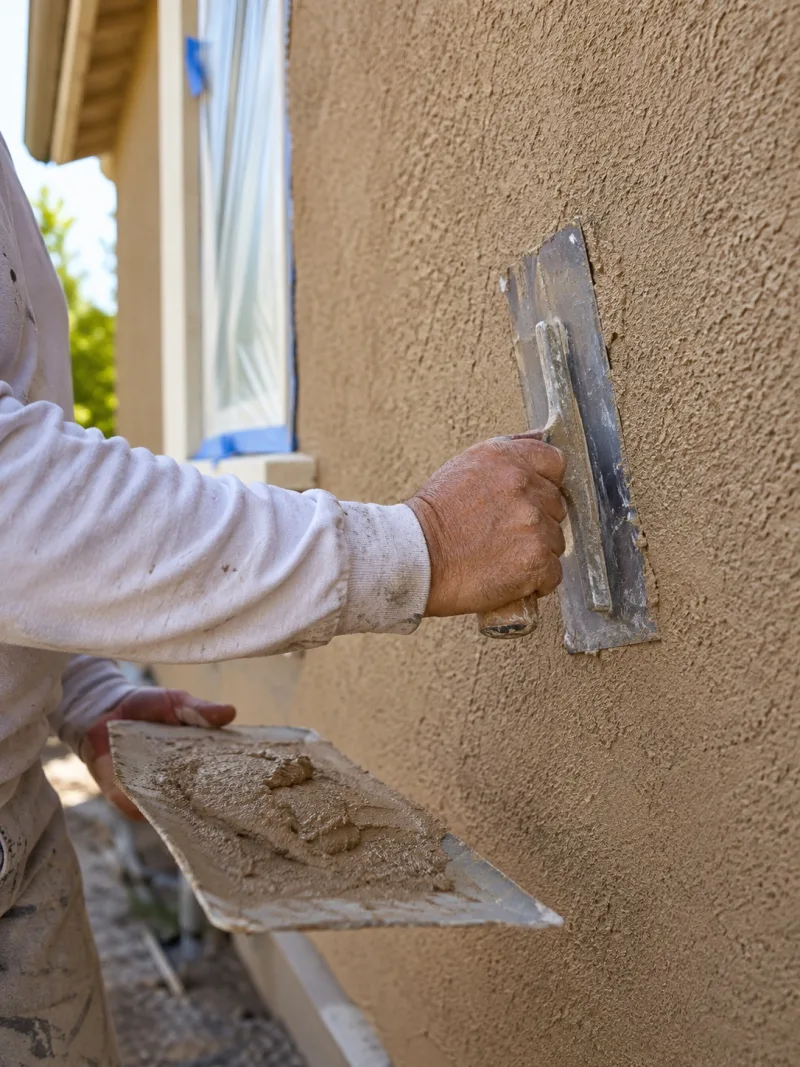
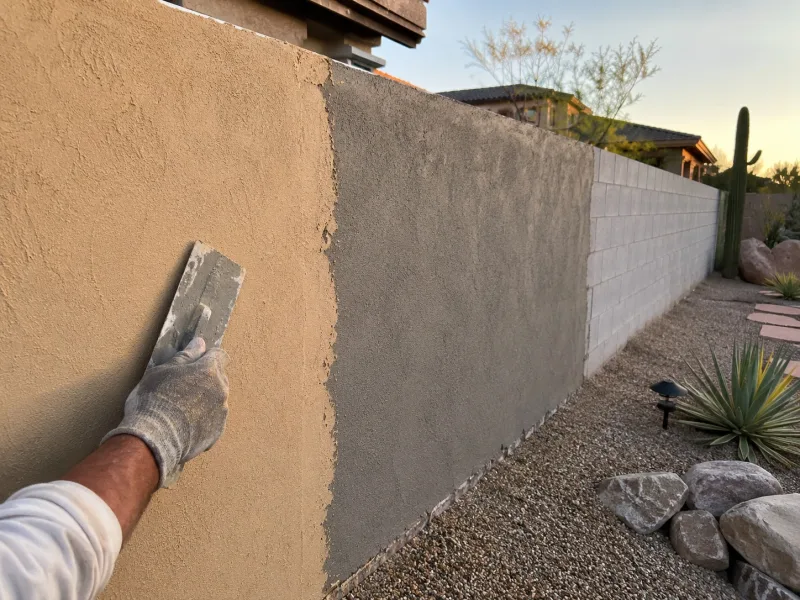
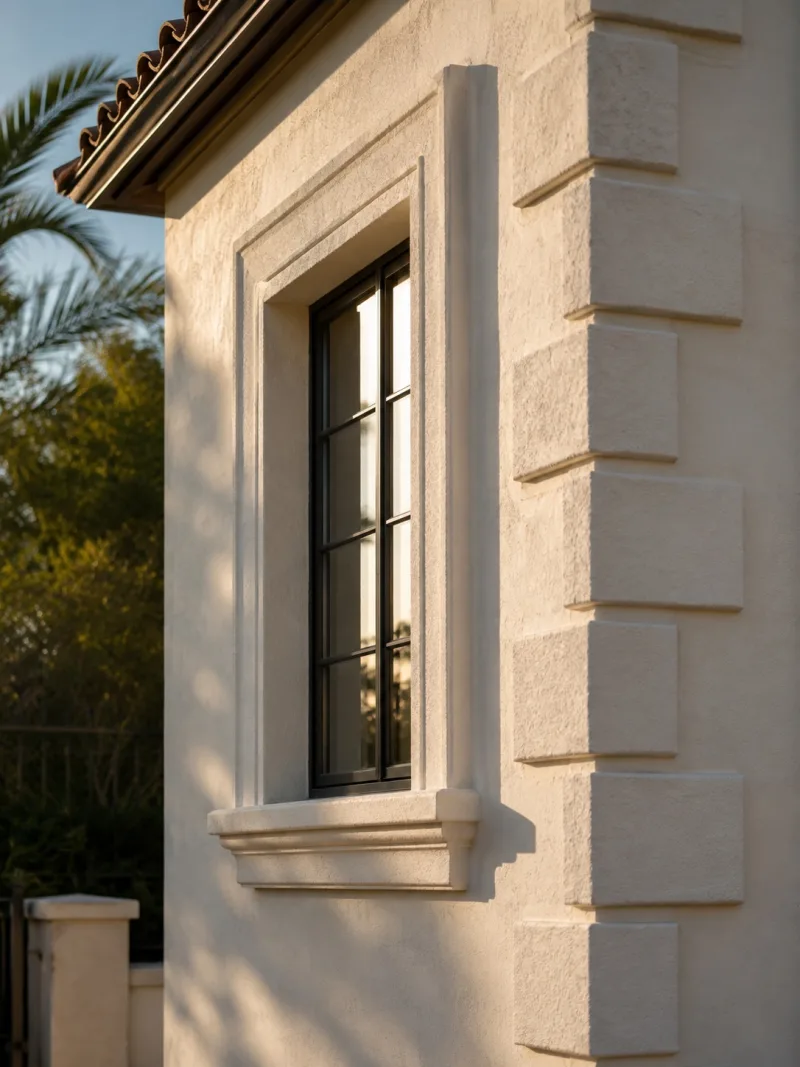
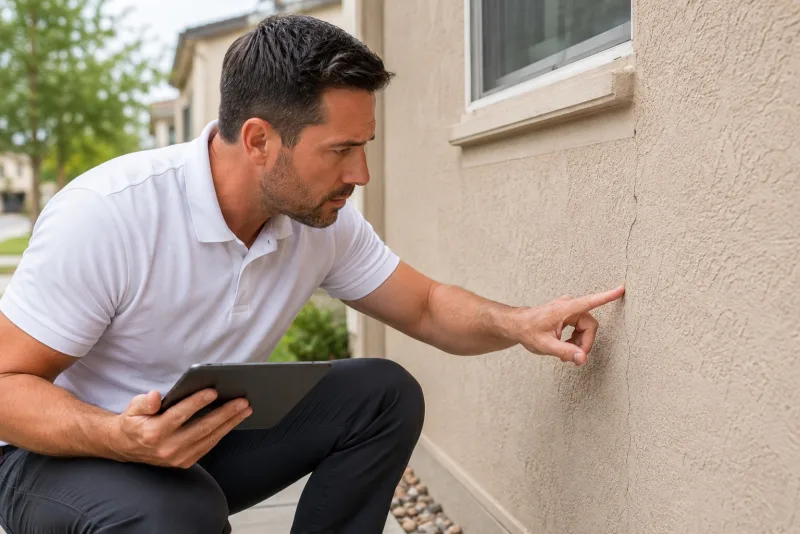
Zion National Park recorded 4,946,592 recreation visits in 2024, and many visitors pass through town along one street. On your repaired wall, the real test is whether a stranger can find the patch after the finish coat has dried. A color match alone is not enough, because sand grade, trowel texture, and integral color all change how sunlight catches the surface.
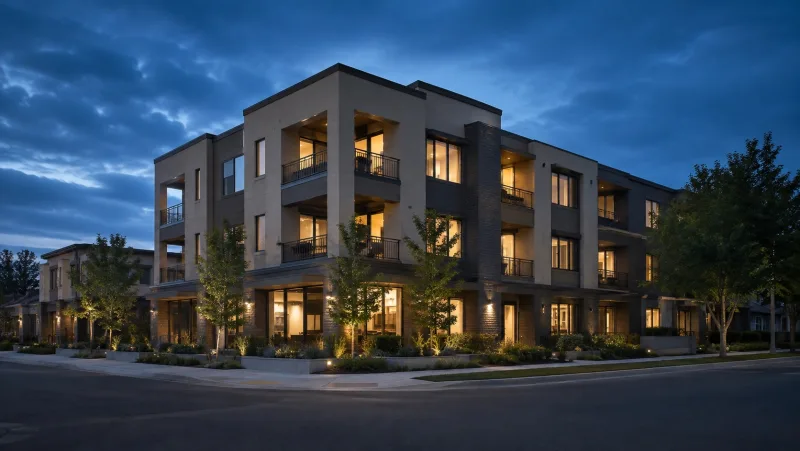
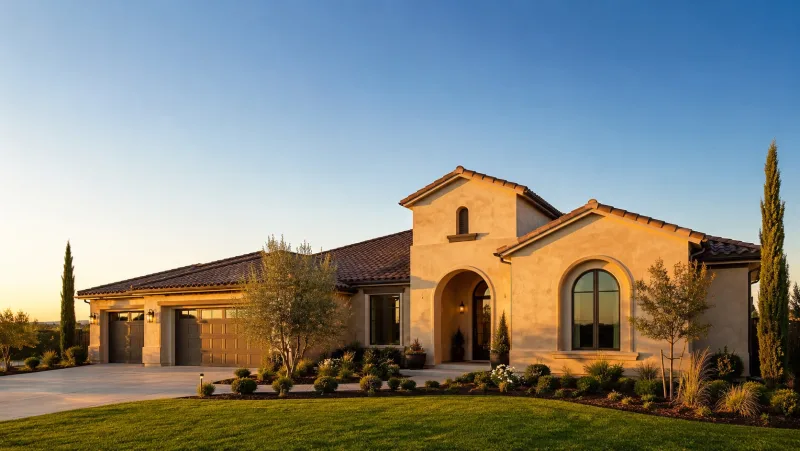
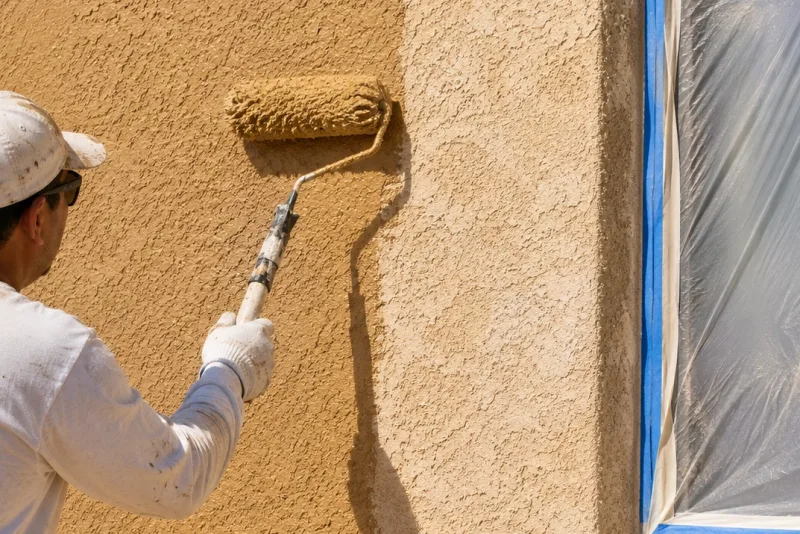
When one patch will not settle into the face, we may use a fog coat, a thin color coat over a whole wall face. We sign off the finished surface from the sidewalk rather than from a ladder. An acrylic finish can be part of that face, but acrylic finish is a finish material, not a wall system, and it does not make the wall EIFS, which is a separate synthetic wall system.
Cold Nights Change Our Schedule, Not Your Wall
Springdale sits at 3,855 feet, 961 feet above Washington. The National Park Service's Zion Canyon temperature figures, measured inside the park at about 4,000 feet, show about 20 nights at or below freezing in January, with an average January high of 54 degrees and an average low of 30 degrees.
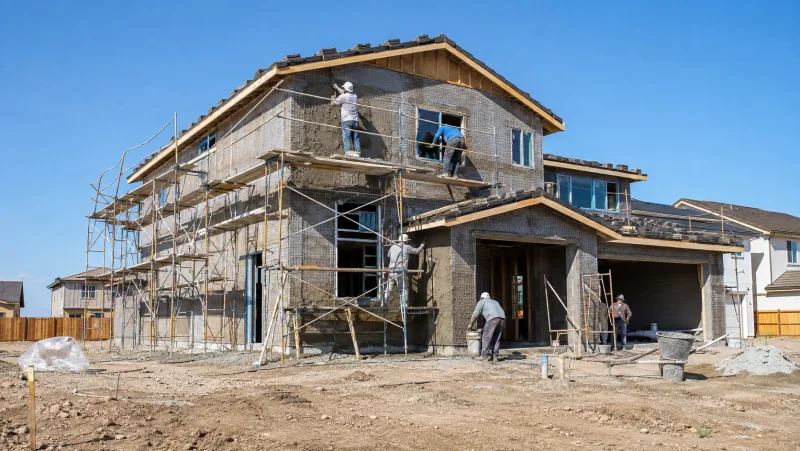
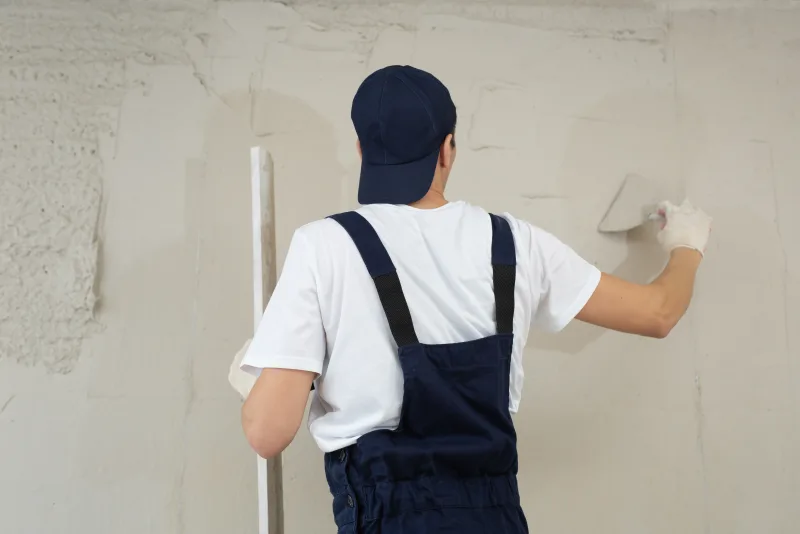
ASTM C926, the cement plaster application standard, puts ordinary application above 40 degrees Fahrenheit unless the work area is enclosed and heated, and it keeps fresh plaster protected from freezing for at least 24 hours after it sets. The building code that adopts it goes further on the cold side, holding the work above 40 degrees for 48 hours after application rather than only while the crew is there. We use those rules to set the application window, the span when plaster can be placed, and to protect the cure while plaster gains strength.
The reliable outside plaster window usually runs from late spring into mid-autumn. December through February is where the 40-degree rule and the 48-hour protection period often rule out a 50-degree afternoon, because the wall still has to stay warm after the crew leaves. Interior plaster is the winter work. In July, the Zion Canyon record shows 16 days above 100 degrees, so midsummer afternoons can limit plastering for the opposite reason.